
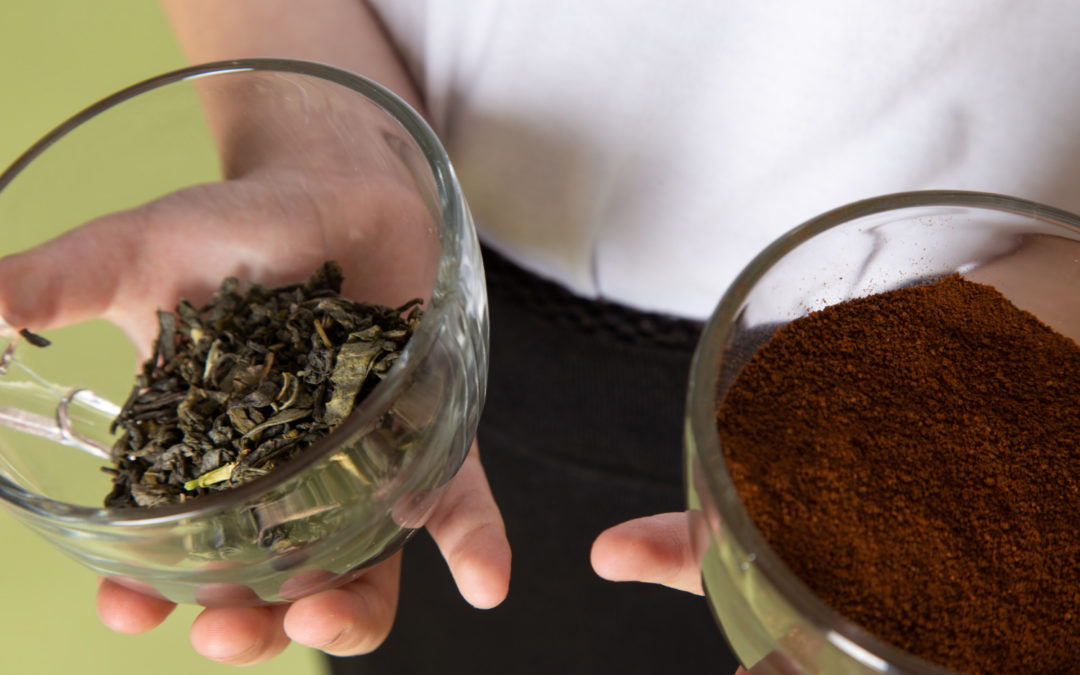
Green tea extract is used as an ingredient in beverage formulations, nutraceutical products, nutrition applications and cosmetic formulations. However, not every green tea extract is suitable for every commercial product.
For businesses searching for a spray dried green tea extract manufacturer India, the purchasing decision should involve more than price and availability. Polyphenol specifications, ingredient compatibility, processing methods and product consistency are important considerations before placing a bulk order.
Blueberry Agro Products Pvt. Ltd. manufactures spray dried green tea extracts for commercial applications, with a focus on tea-derived ingredients and processing technology.
Before choosing an extract for your formulation, here are the important factors B2B buyers should evaluate.
What Makes Spray Dried Green Tea Extract Relevant for Manufacturers?
Spray dried green tea extract is produced by extracting soluble components from green tea and converting the liquid extract into powder through a drying process.
The resulting ingredient can be evaluated for use in different formulations, depending on its composition and technical characteristics.
For manufacturers, spray dried green tea extract offers a powdered ingredient format that can be considered for beverage mixes, nutritional products and other commercial applications.
Blueberry Agro’s spray dried green tea extract is positioned for nutraceutical, human nutrition, animal nutrition and cosmeceutical segments.
However, the suitability of an extract depends on the specific formulation, intended use and applicable regulatory requirements.
Why Should B2B Buyers Check Polyphenol Specifications?
Polyphenols are naturally occurring compounds present in tea. Green tea contains several types of polyphenols, including catechins.
For manufacturers sourcing green tea extract, the declared polyphenol content and the analytical method used to measure it are important technical considerations.
Blueberry Agro highlights high polyphenol content in its green tea extract and references UV spectrophotometric analysis using catechin as a standard.
Before bulk procurement, buyers should clarify:
- The specified total polyphenol content.
- The analytical method used to determine that content.
- Whether the declared values are expressed on a dry-weight basis.
- Whether individual catechin specifications are available.
- The supporting certificate of analysis for the relevant product.
It is also important to understand that results obtained through different analytical methods may not be directly comparable.
Clear specifications help procurement and product development teams assess whether an extract is suitable for their formulation requirements.
Where Can Green Tea Extract Be Used Commercially?
Green tea extract has potential applications across several manufacturing segments. However, each segment may require different ingredient specifications and compliance documentation.
1. Beverage and RTD Tea Formulations
Green tea extract can be considered by beverage manufacturers developing green tea-based drinks and related formulations.
Blueberry Agro describes its green tea extract as having a taste profile similar to green tea, making it relevant for RTD and health beverage applications.
For beverage developers, important considerations include taste, solubility, appearance and compatibility with other ingredients.
Manufacturers exploring additional beverage ingredients can review Blueberry Agro’s instant tea extract range.
2. Nutraceutical and Human Nutrition Products
Green tea extract is also used in the nutraceutical industry.
Blueberry Agro identifies slimming drinks, bars and tablets among the applications for its green tea extract.
For businesses developing these products, extract composition, serving-level specifications and regulatory compliance should be evaluated carefully.
The presence of green tea polyphenols should not be treated as proof that a finished product will deliver a particular weight-management or health outcome.
3. Animal Nutrition Formulations
Blueberry Agro also identifies animal nutrition as an application segment for green tea extract, including premixes for cattle, buffaloes and poultry.
Manufacturers operating in this segment should assess the ingredient’s suitability for the intended animal species, formulation and usage conditions.
They should also request appropriate technical documentation and verify that the ingredient meets relevant feed regulations.
4. Cosmetic Formulations
Green tea extract can also be evaluated as an ingredient in cosmetic formulations.
Blueberry Agro positions its extract for cosmeceutical applications, including skincare and haircare-related products.
For cosmetic manufacturers, the relevant considerations may include ingredient compatibility, stability, appearance and intended formulation performance.
Any finished-product efficacy claims should be supported by appropriate testing rather than the presence of green tea extract alone.
How Does Processing Technology Affect Green Tea Extract Quality?
The extraction and drying process is an important consideration for buyers evaluating spray dried green tea extract.
Green tea contains components that may be sensitive to processing conditions. Manufacturers therefore need suitable process controls to manage the characteristics of the finished extract.
Blueberry Agro describes several features of its manufacturing process:
- Specially designed extraction equipment for impurity removal.
- Evaporation and spray-drying technology designed to limit product temperature.
- Automated processing to support continuous operations.
- Feed-density control during processing.
- Dedicated processing provisions for pesticide and heavy-metal removal.
These processes form part of the company’s stated approach to extract manufacturing.
Businesses can explore Blueberry Agro’s technology and processing to learn more about its manufacturing capabilities.
What Quality Checks Matter When Sourcing Green Tea Extract?
Quality documentation is an essential part of commercial ingredient procurement.
Before placing a bulk order, manufacturers should request product-specific technical information appropriate for their intended use.
Depending on the application, this may include:
- Product specification sheets.
- Certificates of analysis.
- Microbiological parameters.
- Heavy-metal and pesticide-residue test information.
- Shelf-life and recommended storage conditions.
- Batch identification and traceability information.
Blueberry Agro states that its quality management system is built in accordance with ISO 9001, ISO 22000 and HACCP principles.
It also describes continuous quality control from raw material sourcing through to finished product packaging.
Buyers can read more about the company’s food safety practices.
Current certifications, testing documentation and application-specific requirements should be confirmed directly before procurement.
Should Buyers Compare Green Tea Extract with Other Tea Extracts?
Not every commercial formulation requires green tea extract.
The choice depends on the desired sensory profile, intended application and ingredient specifications.
For example, a beverage manufacturer developing a traditional black tea flavour may prefer to evaluate spray dried black tea extract instead.
Other manufacturers may wish to examine white tea extract as a separate tea-derived ingredient option.
These extracts should not be treated as direct substitutes without evaluating their individual specifications.
Selecting the right ingredient begins with defining the desired formulation rather than choosing based only on the tea variety.
What Should Manufacturers Confirm Before Bulk Ordering?
Before finalising a supplier, B2B buyers should communicate their technical and commercial requirements.
A useful procurement discussion should cover the intended application, required polyphenol specifications, product documentation, sample availability, packaging format and expected order quantity.
Blueberry Agro states that its overall tea manufacturing capacity is 300 metric tonnes per month.
However, buyers should confirm the production availability, minimum order quantity and packaging options applicable specifically to green tea extract.
The company was established in 2011 and manufactures instant tea and coffee extracts for commercial customers.
More information about its background and operations is available on the About Blueberry Agro.
Why Is Sample Evaluation Important Before Commercial Procurement?
Sample testing allows manufacturers to examine how green tea extract performs in their intended formulation.
For a beverage business, this may involve evaluating taste, solubility and appearance.
For a nutraceutical manufacturer, it may involve examining the extract’s declared composition and compatibility with other formulation ingredients.
For cosmetic or animal nutrition applications, different technical evaluations may be necessary.
Before proceeding with a commercial order, buyers should discuss sample requirements and assess whether the ingredient meets their internal specifications.
Final Thoughts
Sourcing spray dried green tea extract requires a clear understanding of the intended commercial application.
Polyphenol specifications, processing technology, quality documentation and formulation compatibility all play a role in determining whether an ingredient is suitable.
Rather than choosing solely on price, manufacturers should evaluate the extract against their product development and procurement requirements.
Looking for spray dried green tea extract for your commercial formulation?
Contact Blueberry Agro to discuss green tea extract specifications, intended applications, sample requirements and bulk procurement enquiries.